
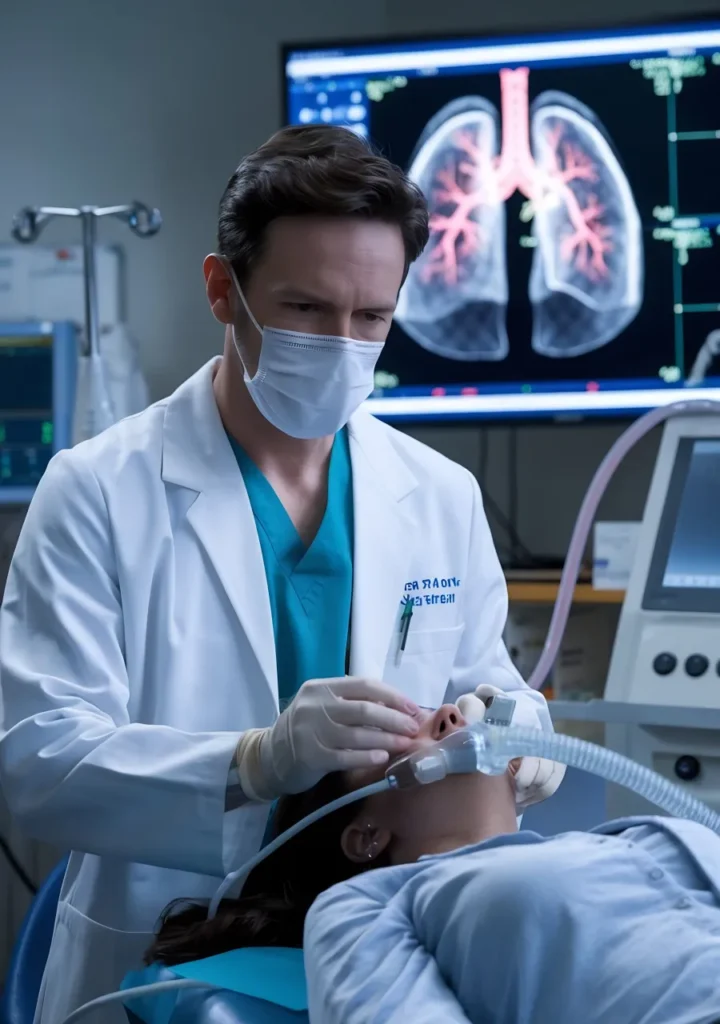
A Polysomnogram (PSG) is a sleep study that helps doctors evaluate your sleep patterns and identify potential sleep disorders. The individual components of a PSG include:
Your doctor may order a full-night PSG or a split-night study, which includes both diagnosis and treatment (such as CPAP titration) in a single session. The test is conducted overnight in a sleep lab or sometimes at home with specialized equipment.
A Polysomnogram (PSG) is a crucial diagnostic tool that provides valuable insights into sleep health, enabling doctors to detect and manage sleep disorders effectively. By identifying disruptions in sleep patterns, oxygen levels, and breathing irregularities, PSG helps create tailored treatment plans for improved sleep quality and overall well-being.
PSGs are non-invasive and painless, making them an essential resource for diagnosing conditions like sleep apnea, restless leg syndrome, insomnia, and narcolepsy. The data collected allows healthcare providers to pinpoint specific sleep issues early, leading to timely interventions. Regular sleep studies also empower patients by providing critical knowledge to make informed decisions about their sleep health and treatment options.
Further Questions?
If you have any questions regarding the Polysomnogram (PSG) test, please contact the Sleep Study Department at 281-713-8676.
A Polysomnogram (PSG) is a sleep study that records brain activity, breathing patterns, heart rate, oxygen levels, and body movements while you sleep. It helps diagnose sleep disorders such as sleep apnea, insomnia, restless leg syndrome, and narcolepsy. Your doctor may recommend a PSG if you experience excessive daytime sleepiness, snoring, breathing interruptions during sleep, or unexplained fatigue.
During a PSG, you will spend the night in a sleep lab or use a home sleep testing device, depending on your condition. Sensors are placed on your scalp, chest, and limbs to monitor brain waves, heart rate, breathing, and muscle activity. A sleep specialist observes your sleep patterns and analyzes the data to diagnose potential sleep disorders.
No, the test is non-invasive and painless. While the sensors and wires may feel unusual at first, they do not cause pain or interfere with normal sleep. Most people adjust quickly and can sleep comfortably during the study. Sleep technicians ensure you are as comfortable as possible throughout the test.
To prepare for a PSG test, follow these guidelines:
Avoid caffeine and alcohol on the day of the test.
Stick to your normal sleep schedule before the study.
Wash your hair before the test (avoid oils, gels, or sprays).
Wear comfortable sleepwear to the lab.
Bring personal items like a pillow or book if needed for comfort.
After the PSG, a sleep specialist reviews the data and prepares a report for your doctor. Your doctor will discuss the results with you and recommend treatment if a sleep disorder is diagnosed. Treatment options may include lifestyle changes, CPAP therapy, medication, or further evaluation.

Copyright © 2026 PCCSS. All Rights Reserved.